

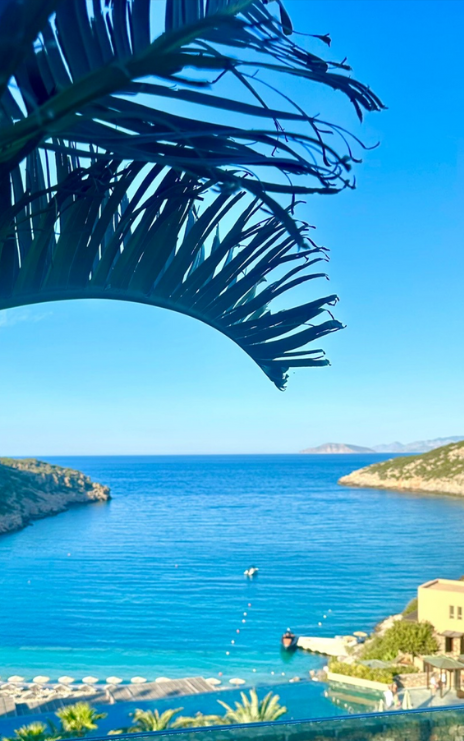
Luxury resort at Daios Cove in Crete, overlooking a private turquoise bay with hillside suites and infinity pools.
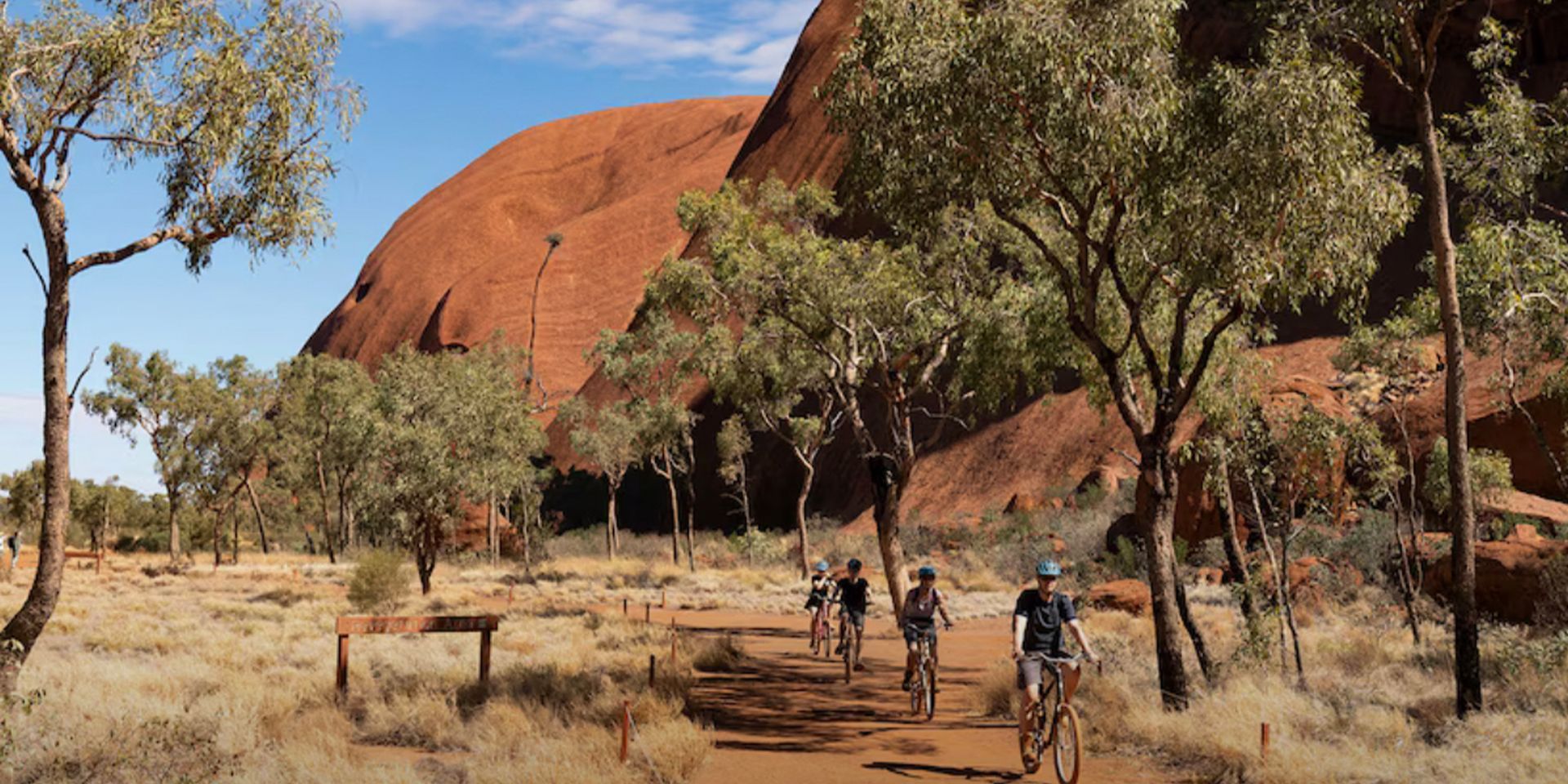
Experienced from earth and sky. The first thing that struck me wasn’t the colour — though the red is unmistakable — it was the stillness. A vast, almost reverent silence that settles over you the moment you arrive in Australia’s Red Centre. Uluru rises not as a spectacle but as a presence, commanding attention without asking for it. Walking around the base of Uluru, the scale becomes personal. From a distance it feels monumental; up close it reveals itself in details — smooth curves worn by time, shallow caves marked with ancient stories, soft desert light shifting across its surface as the sun moves. This is not a place to rush. Each section of the path feels like a pause, an invitation to slow down and listen. Kata Tjuta offered something different altogether. The domes appear almost sculptural, their forms changing as you move between them. The Valley of the Winds walk was quietly powerful — narrow paths opening suddenly into wide views, the land folding and unfolding in unexpected ways. There’s a sense here of being held within the landscape rather than simply observing it. From the air, the story shifts again. The helicopter lift-off is gentle, and within moments the ground falls away to reveal the true scale of the desert. Uluru stands alone, perfectly placed, while Kata Tjuta’s domes stretch out like a hidden world beyond. From above, Watarrka’s Kings Canyon carves sharply into the earth — a dramatic contrast of deep shadows and sunlit ridges that simply isn’t visible from ground level. It’s not about thrill; it’s about perspective. Watarrka National Park brought the journey back to human scale. Walking along the canyon rim, the views open out across layered rock formations and palm-lined creek beds below. There’s movement here — birds, wind, shifting light — a reminder that even in such ancient landscapes, life is constant and quietly resilient. What stays with me most is how these places connect — land, sky, history, and time — each adding depth to the experience. This is not a destination to tick off, but one to absorb slowly, thoughtfully, and with respect. Why this journey matters Uluru–Kata Tjuta and Watarrka are places that recalibrate perspective. They invite stillness, curiosity, and a deeper awareness of time and culture — experiences that linger long after the red dust has been brushed away.
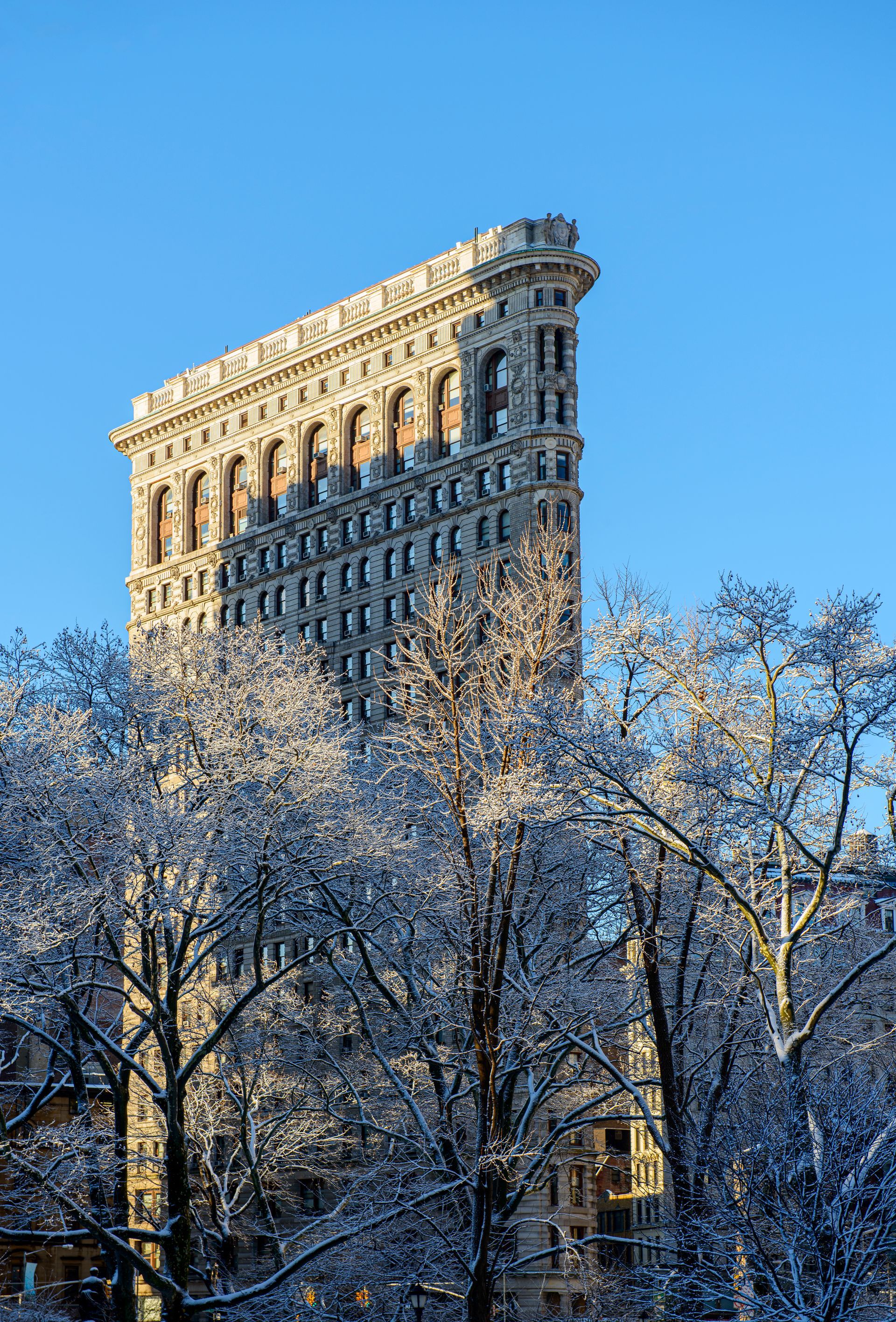
I arrived in New York in early February, when the city feels as though it belongs to itself again. The air was sharp, the streets quieter, the usual urgency softened by cold and the promise of snow. Wrapped in layers, I found myself walking more slowly—looking up, noticing details I’d rushed past in warmer months. New York, it turns out, reveals more when you give it time. One morning, Central Park was dusted white. The paths were almost silent, save for the crunch of boots and the distant hum of traffic beyond the trees. The skyline stood out in crisp relief behind the bare branches, and for a moment the city felt held— paused between movement and memory. Later that day, I walked downtown to the World Trade Centre. In early February, the 9/11 Memorial carries a particular weight. Snow had settled along the bronze edges of the reflecting pools, softening everything without dulling its meaning. With fewer visitors around, there was space to stand quietly, to read the names, to let the place speak without interruption. It felt deeply human, and unexpectedly intimate. From above, the city stretched outward—bridges cutting across water, neighbourhoods fading into winter haze. The view was crystalline, the light clean and unforgiving in the best way. Winter sharpens New York; it strips away excess and leaves only form, scale, and intention. Back at street level, the city unfolded at a gentler pace. I wandered through galleries without feeling hurried, slipped easily into exhibitions, and found tables in restaurants that would be impossible to secure just weeks later. Evenings were made for warmth—dimly lit dining rooms, hotel bars glowing against the cold, conversations that lingered because there was nowhere else you needed to be. One afternoon, passing through Madison Square, I caught sight of the Flatiron Building against a bright blue winter sky. Its lines felt cleaner, more architectural than ever, the cold air sharpening its silhouette. It was a fleeting moment, but one that stayed with me—a reminder that New York’s icons don’t need staging, just the right light. Hotels, too, felt different. Service was unhurried, spaces calmer, winter light pouring through tall windows. Early February is a season for settling in rather than rushing out—a time when New York rewards those who slow down. And then the snow came. Briefly, quietly. Sounds softened, lights glowed warmer, and the city took on an almost tender quality. It didn’t last long—but that felt right. In New York, even stillness is temporary. This wasn’t the city at its loudest or most performative. It was New York revealed between moments—reflective, cultural, and deeply alive beneath the cold. Why this journey matters Being in New York in early February offers something rare: access without intrusion. It’s when the city feels most honest, and when its stories—both monumental and everyday—are allowed to breathe.
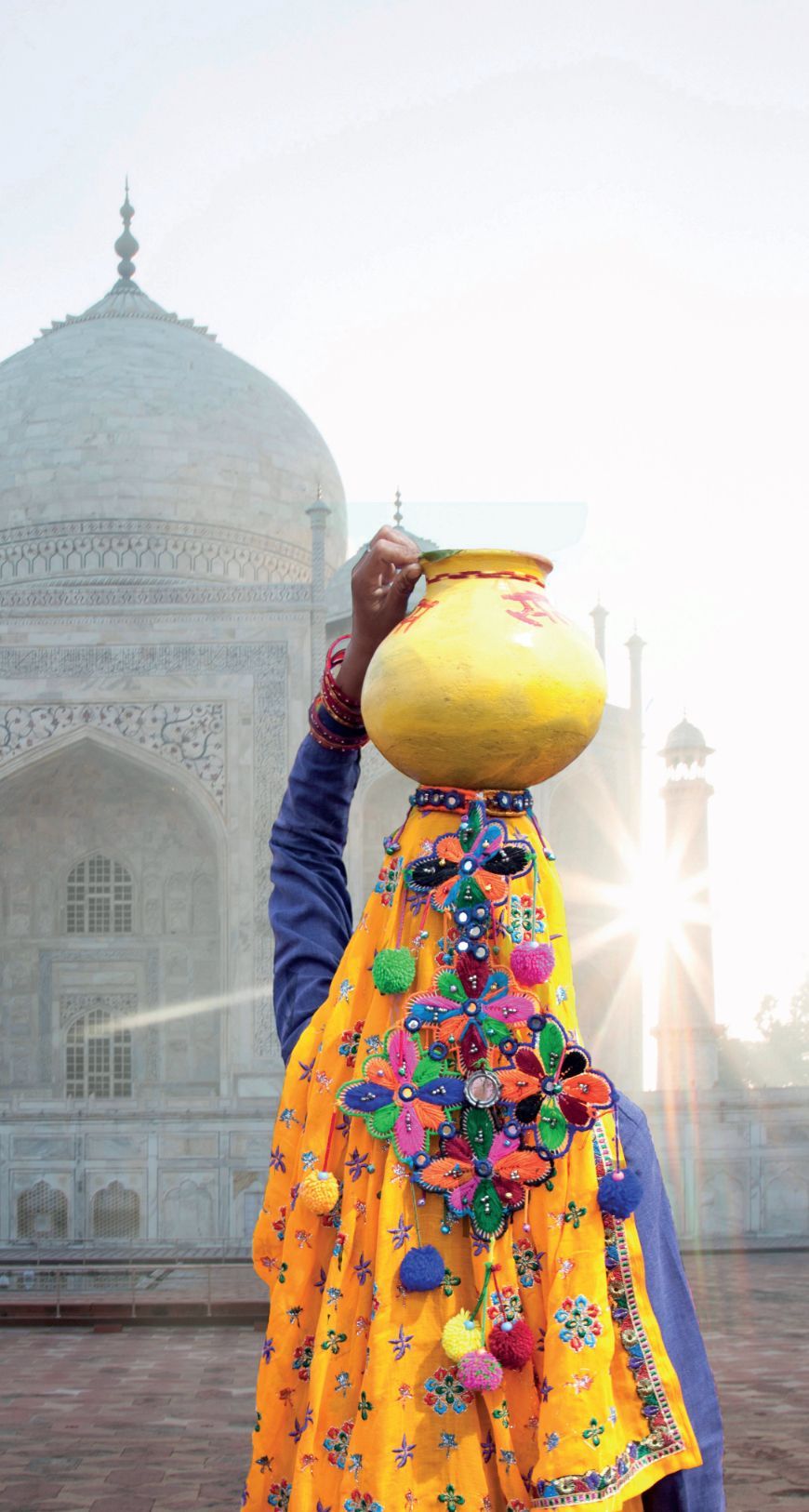
There are places you think you know long before you arrive. The Taj Mahal is one of them. Its image is so familiar, so reproduced, that I wondered whether the reality could possibly live up to the myth. It does — but not in the way you expect. I arrived early, just as the first wash of morning light began to soften the sky. Agra was still stirring awake. The crowds hadn’t yet formed, and for a brief moment the world felt hushed, reverent. Then the marble appeared. No photograph prepares you for the way the Taj Mahal feels. As the light shifted from pale rose to warm ivory, the building seemed almost alive — changing, breathing, responding to the day. The symmetry is flawless, yet it’s the emotion that catches you off guard. This isn’t just an architectural masterpiece; it’s a love letter in stone. Walking Through a Love Story Moving slowly through the gardens, I became aware of how deliberately everything is designed — every pathway drawing your eye forward, every reflection pulling you closer. And then, standing beneath the central dome, the scale suddenly becomes intimate rather than overwhelming. The story of Shah Jahan and Mumtaz Mahal is often told, but here it feels tangible. The craftsmanship, the inlaid semi-precious stones, the balance and restraint — all of it speaks of devotion, loss, and an almost unbearable tenderness. It’s impossible not to be moved. I found myself lingering longer than planned, simply watching the light play across the marble, listening to the quiet murmur of other visitors having their own private moments of awe. Beyond the Icon Later, from across the Yamuna River, I saw the Taj from a different perspective — softer, more distant, framed by nature rather than ceremony. It was here that the experience truly settled. The Taj Mahal isn’t about grandeur alone; it’s about contrast. Strength and delicacy. Permanence and fragility. Public monument and deeply personal grief. This balance is what makes it unforgettable. Why This Journey Matters The Taj Mahal is often treated as a tick-box destination, a single stop on a rushed itinerary. But experienced slowly, with space for stillness and reflection, it becomes something far more meaningful. It reminds us why we travel — not just to see beautiful places, but to feel something lasting. At Curated Escapes, this is exactly how we believe India should be experienced: with intention, thoughtful pacing, and moments that allow a place to reveal itself fully. The Taj Mahal is not simply a sight to behold — it’s an experience to absorb.
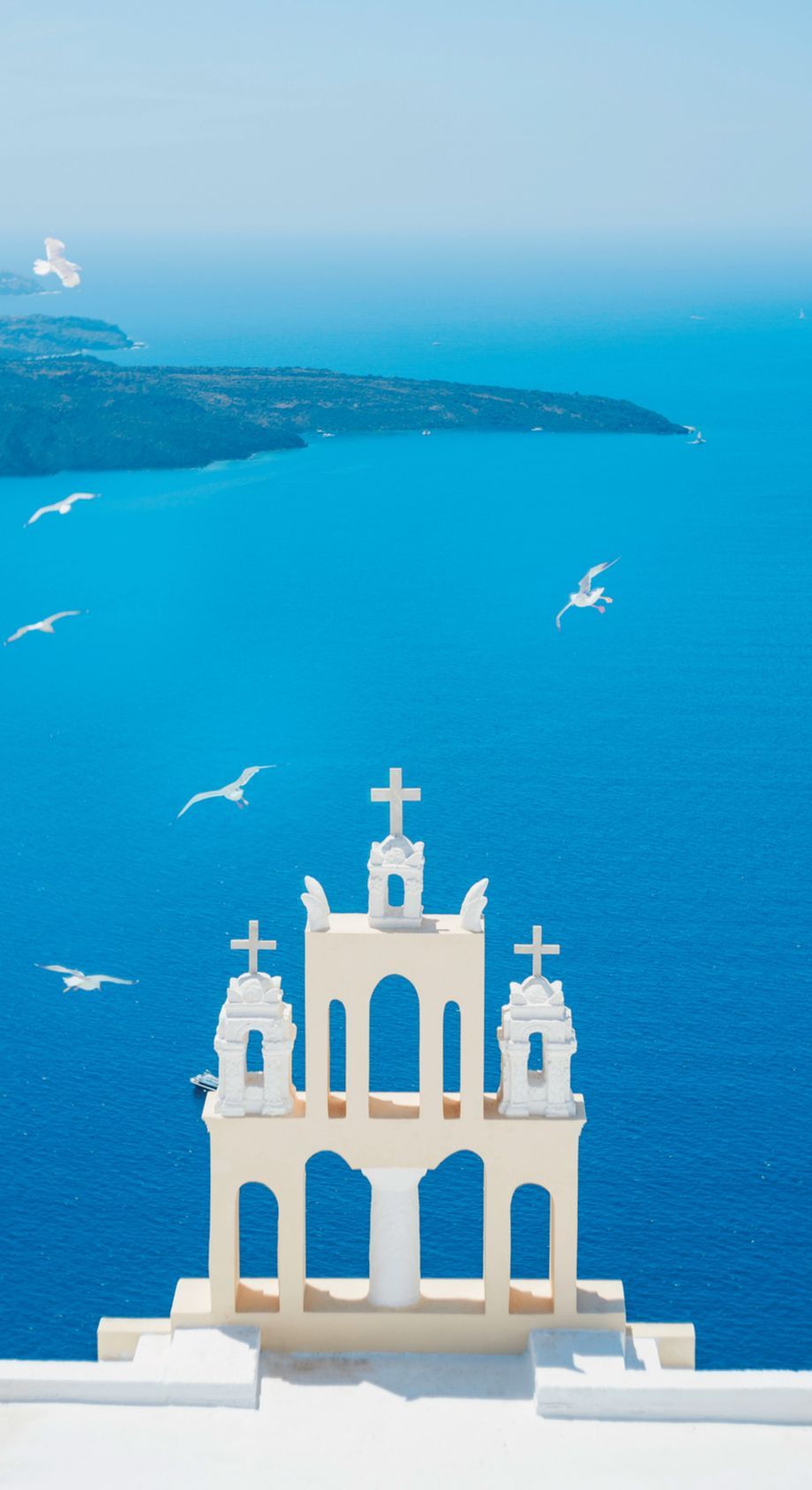
The Cyclades: Where the Light Begins I began among the Cyclades — scattered white islands floating on impossibly blue water. Arriving in Mykonos at dawn, I saw a quieter side of the island: harbour still, windmills motionless, light soft and silver. Later, walking through Delos, I felt its quiet power — marble columns warming in the sun where Apollo was said to have been born. Santorini, approached by sea, is unforgettable. As we edged into the caldera, volcanic cliffs rose dramatically above us. White houses clung to the rim, brilliant against dark rock. From the water, it felt like a slow, cinematic reveal. Cruising this region on a smaller luxury ship brings rare intimacy. We slipped into lesser-known harbours — Paros with its artisan calm, Folegandros wild and elemental, Milos edged with sculpted coves. The pace was unhurried. There was time to watch the horizon, to read, to simply be. Crossing the Aegean Leaving Greece, the voyage deepened. The Aegean is not merely sea — it is a corridor of empires. In Patmos, serene and spiritual, St John is said to have written Revelation. In Kusadasi, I wandered the remarkable ruins of Ephesus — marble streets, vast libraries, grand amphitheatres — and felt the scale of Roman ambition. Evenings on board were quietly elegant. Luxury here was understated yet unmistakable — space, privacy, intuitive service. I never felt hurried or crowded. It felt closer to a private yacht than a cruise ship. Arrival in Istanbul Nothing prepares you for arriving in Istanbul by sea. Sailing the Bosphorus at dawn, the skyline slowly emerged — minarets piercing the sky, domes layered behind domes, a city spanning two continents. The call to prayer drifted across the water; for a moment, time seemed suspended. Hagia Sophia was humbling — immense, layered with centuries. The Blue Mosque rose in perfect symmetry, while Topkapi Palace overlooked the Golden Horn as it has for generations. Stepping ashore, the senses awakened — saffron and spice in the air, strong Turkish coffee, the hum of the Grand Bazaar. After days of open sea and quiet islands, the city felt textured, vibrant, alive. It was the perfect crescendo. Why This Journey Matters To sail from the Cyclades to Istanbul is to follow an ancient maritime thread — one that has connected cultures, faiths and traders for millennia. It is a voyage of contrasts: whitewashed simplicity and imperial grandeur, barefoot ease and architectural magnificence. Above all, it is a reminder that the most meaningful journeys are never rushed. They unfold — like the sea itself — at their own pace..
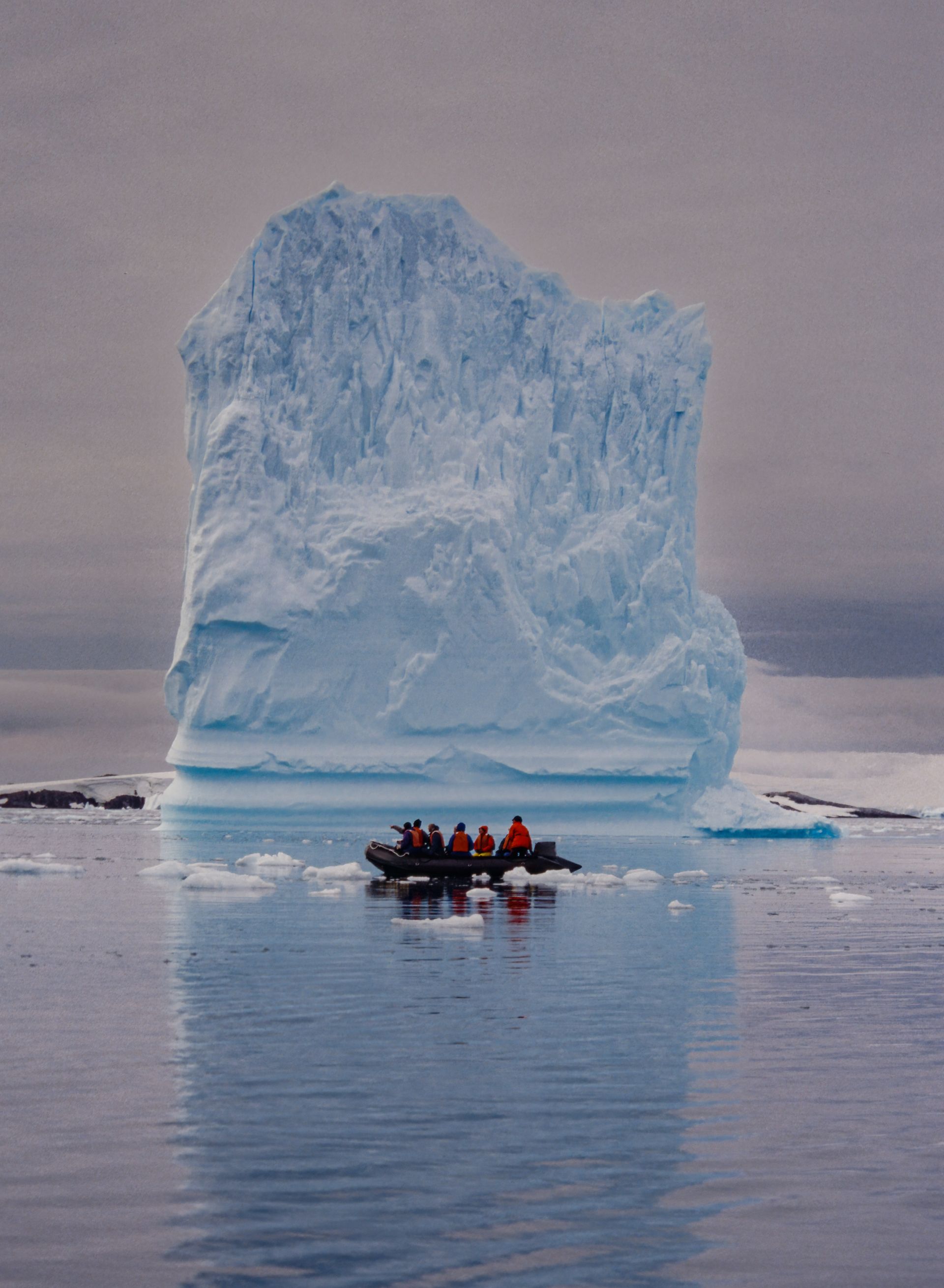
Experienced - Not Visited. There are very few places left that make you feel truly small—in the best possible way. Antarctica did that to me. At the farthest edge of the world, I found a continent made entirely of ice, light and silence. Not the absence of sound, but a presence of it. A stillness so complete it felt almost sacred. From the moment we crossed into Antarctic waters, time seemed to loosen its grip. Days unfolded differently here—slower, softer, shaped entirely by nature. Antarctica doesn’t announce itself. It reveals itself gradually. Icebergs drifted past us like living sculptures, their blues deeper than anything I’d ever seen. Glaciers cracked and calved without warning, the sound rolling across the water like distant thunder. On shore, penguins gathered at the water’s edge, curious but unbothered, while whales surfaced nearby—close enough to hear their breath catch the cold air. Every encounter felt unplanned. Every moment, deeply intentional. What stayed with me most wasn’t just what I saw—but how it made me feel. With no cities, no noise, and no distractions, everything became sharper. My thoughts slowed. My senses widened. Days weren’t dictated by schedules but by weather, ice and light. Landings changed at the last moment. Plans adapted. And somehow, that unpredictability made the experience more meaningful. Nothing felt staged. Nothing was guaranteed. Travel here is not passive. Stepping from a Zodiac onto untouched land, I felt both privileged and humbled. Our guides—expert naturalists and expedition leaders—added depth and understanding but never took away from the quiet wonder of simply being there. Evenings were spent reflecting on the day, often in silence, trying to process landscapes that didn’t feel real until they were already behind us. This isn’t a destination you tick off a list. Antarctica asks you to witness—to observe, to feel, and to reconsider your place in the world. It gave me perspective. On the planet’s fragility. On its extraordinary beauty. On how rare it is to experience something so completely unspoilt. Through Curated Escapes, I see Antarctica as one of the most profound journeys we can offer. It speaks to travellers who value meaning as much as comfort, who understand that true luxury lies in access, rarity, and experiences that change you. Antarctica is not for everyone. But for those who feel drawn to it, it leaves a mark. Long after the ice disappears, the stillness stays with you—quiet, powerful, and impossible to forget. Why this journey matters This journey matters because Antarctica isn’t about arrival—it’s about bearing witness to one of the last truly untouched places on Earth, and leaving with a changed sense of scale and responsibility.